
![6+ đề thi tiếng Anh giữa học kì 2 lớp 6 có lời giải [Download PDF]](https://ila.edu.vn/wp-content/uploads/2026/02/ila-de-thi-tieng-anh-giua-hoc-ki-2-lop-6-6.jpg)
Đề thi tiếng Anh giữa học kì 2 lớp 6 là bộ tài liệu được ILA tổng hợp và chọn lọc, giúp học sinh làm quen cấu trúc đề, rèn kỹ năng làm bài và tự tin bước vào kì kiểm tra. Bộ đề có đáp án chi tiết, bám sát chương trình sách giáo khoa mới, đồng thời hỗ trợ phụ huynh đồng hành hiệu quả cùng con trong quá trình ôn tập.
Tổng hợp đề thi tiếng Anh giữa học kì 2 lớp 6 có đáp án
Sau đây là tổng hợp đề thi tiếng Anh giữa học kì 2 lớp 6 theo từng bộ sách giáo khoa, giúp học sinh ôn tập trọng tâm và làm quen cấu trúc đề.
1. Đề kiểm tra giữa kì 2 tiếng Anh 6 Global Success Violet
I. Find the word which has a different sound in the part underlined.
1. A. delicious B. like C. nice D. fine
2. A. postcard B. come C. home D. so
3. A. motor B. money C. show D. robot
4. A. near B. bear C. idea D. appear
5. A. here B. series C. sphere D. there
6. A. match B. square C. badminton D. grandfather
7. A. programme B. sport C. most D. show
8. A. thirty B. them C. both D. theme
9. A. schedule B. when C. red D. comedy
10. A. brother B. through C. then D. weather
II. Choose the best answer (A, B, C or D).
1. I usually play football when I have _______.
A. spare time B. good time C. no time D. times
2. In team sports, the two teams _______ against each other in order to get the better score.
A. are B. do C. make D. compete
3. _______ draw on the walls and tables, please.
A. Do B. Don’t C. Should D. Shouldn’t
4. Nam plays sports very often, so he looks very _______.
A. sport B. sports C. sporty D. sporting
5. Last summer, I _______ fishing with my uncle in the afternoon.
A. go B. went C. goes D. going
6. Have you ever _______ to London?
A. be B. being C. been D. gone
7. People in Tokyo are very polite _______ friendly.
A. or B. and C. but D. so
8. Do you know _______ drink in Viet Nam?
A. popular B. more popular C. more and more popular D. the most popular
9. When we were in Stockholm, we had coffee and cakes _______a coffee shop _______ the Old Town.
A. on – on B. at – at C. in – in D. on – at
10. The Eiffel Tower is the most _______ landmark in the world.
A. visit B. visiting C. visited D. to visit
11. Super cars will _______ water in the future.
A. go by B. run at C. run on D. travel by
12. The robot will _______ of the flowers in the garden.
A. take care B. take note C. be careful D. carry
13. The house will have _______a super smart TV to the e-mails.
A. send and post B. send and receive C. get and take D. receive and get
14. _______ pencils and wrappers, every student will have a computer.
A. By B. Instead C. Instead of D. At
15. We might have a _______TV to watch TV programmes from space.
A. wireless B. remote C. automatic D. local
16. My brother wants to become a _______ to tell TV viewers what the weather is like.
A. newspaper B. actor C. weatherman D. producer
17. TV _______ can join in some game shows through telephone or by mail.
A. people B. weatherman C. newsreaders D. viewers
18. _______ are films by pictures, not real people and often for children.
A. Documentaries B. Love stories C. Cartoons D. Detective stories
19. Are there any good programmes _______ teenagers on TV tonight?
A. to B. for C. of D. with
20. My father works late tomorrow, so he will _______ the first part of the film on VTV1.
A. miss B. lose C. forget D. cut
III. Complete the sentences with and, so, but or because.
1. I didn’t feel _______ well I stayed at home.
2. He liked her _______ she was happy.
3. I liked Spain _______I wanted to go home.
4. She likes swimming _______ jogging.
5. We were late _______ there was an accident.

IV. Complete the following sentences with the correct form of the verbs in brackets.
1. I (not be) _______ very happy yesterday.
2. The people in the café (not be) _______ friendly when I was there yesterday.
3. I (leave) _______ my school bag at school this morning.
4. It (be) _______a great film in 2001.
5. Our teacher (tell) _______ us to be quiet yesterday.
6. I went to the shop but I (not have) _______ any money.
7. Susan (not know) _______ about the exam and she did very badly.
8. I (buy) _______ a ticket for the football match yesterday.
V. Complete the following sentences with the verbs in the present perfect.
| not see take visit win read not study |
1. My team _______ ten matches this year.
2. They_______German before. This is their first year.
3. I _______ lots of photos with my camera.
4. She _______ the USA three times. Her aunt lives there.
5. The longest book I _______ is The Lord of the Rings.
6. I _______ that film. Is it good?
VI. Make questions for the underlined words.
1. My father plays tennis every Friday.
2. Our class has Geography on Monday.
3. Hi-tech robots might look after children.
4. People might watch films on smart phones.
5. We will travel to the moon by a super car.
• Tải đáp án TẠI ĐÂY.
>>> Tìm hiểu thêm: Bài tập tiếng Anh lớp 6 Global Success theo từng nhóm kiến thức
2. Đề thi tiếng Anh giữa học kì 2 lớp 6 iLearn Smart World
I. Choose the word whose underlined part is pronounced differently.
| 1. A. listen | B. costume | C. pasta | D. plastic |
| 2. A. performance | B. general | C. terrible | D. September |
II. Choose the word that has a different stressed syllable from the rest.
| 3. A. newspaper | B. recycle | C. hospital | D. charity |
| 4. A. useful | B. careless | C. asleep | D. caring |
III. Choose the best option to complete each of the following sentences.
5. _______ in this lake. It’s very deep and dangerous.
A. Swim B. Swimming C. Don’t swim D. You can swim
6. You should recycle empty cans and bottles. Don’t just _______ .
A. throw it B. reuse them C. throw them away D. donate it
7. A: I believe everyone can help save the environment.
– B: _______
A. What’s wrong? B. Yes, I’d love to. C. Yes, I think. D. I agree.
8. I _______ to make an omelet this morning but it _______ horrible.
A. try/ was B. try/ is C. tried/ is D. tried/ was
9. Ratatouille is a(n)_______ movie. The characters are drawings, not real people.
A. animated B. science fiction C. drama D. action
10. A_______ will help you see in the dark.
A. battery B. flashlight C. horror D. drama
11. I don’t like going _______ . I’m scared of traveling down a river in a thin boat.
A. hiking B. swimming C. trekking D. kayaking
12. A: Should we bring some snacks to eat?
– B:_______
A. Yes, I did. B. Yes, good idea C. Yes, you need. D. I don’t have.
13. Between April and October are _______ best times to visit Bali, during _______ dry season.
A. the/ a B. the/ the C. a/ the D. a/ a
14. You _______ watch this movie. It’s really funny.
A. can’t B. shouldn’t C. should D. will
IV. Write the correct forms of the words in the brackets.
15. We are taking these old newspapers to the _______ bins in town. (RECYCLE)
16. Act Green Vietnam is an _______ charity in Ho Chi Minh city. (ENVIRONMENT)
17. My brother likes action movies because they are fast and _______ . (EXCITE)
18. You should visit Bản Giốc; it’s an _______ waterfall in the north of Vietnam. (AMAZE)
19. Visitors can enjoy the _______ beauty of Mộc Châu Highland. (NATURE)
V. You will hear someone talking about Marcus Aurelius. Listen and decide whether the following statements are True (T) or False (F).
20. Marcus Aurelius was a great general of Rome.
21. Aurelius was born in 112 AD.
22. Aurelius and his army won against his enemy.
23. Aurelius got married but he didn’t have any children.
24. Aurelius wrote a book about his battles.
VI. Read the following passage and fill in each blank with a suitable word or phrase from the box.
| reuse electricity dirty plastic free picking up |
Our planet is in big trouble – animals are disappearing, the sea and the air are (25) _______. But there are many different things we can do to protect the environment. First, recycle everything you can. Don’t throw away plastic bottles, glass jars, cardboard boxes, or cans. We can (26) _______ them to store food, toys or grow flowers. Second, why not walk or cycle to school or work? It’s (27) _______, good exercise and good for the environment. Third, don’t waste (28) _______. Switch the lights off when you leave the room. And keep the city clean by (29) _______ litter off the streets. When you go shopping, bring your own bags instead of taking (30) _______ bags. Together we can make a big difference and help save the planet.
VII. Read the article and choose the best answer.
Christine Robinson, August 12
Bali is a wonderful place for a vacation.
A lot of visitors go to Bali for their vacations every year. You can enjoy the white sand beaches, take photos, and meet friendly local people. You can also go on cycling tours, scuba diving, and even snorkeling. Bali is one of the most beautiful islands in Indonesia. You can go there by boat or plane. You should not go there between October and March because it is very rainy. Between April and October are the best times to visit Bali, during the dry season. You can also go to the International Film Festival in Bali every September.
If you get the chance, you should spend your vacation in this beautiful place.
31. _______ visitors go to Bali for their vacations.
A. Some B. Lots of. C. Much
32. People can enjoy beautiful beaches with_______.
A. golden sand B. white sand C. rain
33. People can enjoy cycling and_______.
A. scuba diving B. rock climbing C. kayaking
34. People can take a _______.
A. bus B. train C. plane
35. People shouldn’t go there between _______ and _______ because of the rain.
A. November – December
B. October – December
C. October – March
36. The Indonesian International Film Festival happens every _______ in Bali.
A. year B. two years C. three years
VIII. Put the words in the correct order to make correct sentences.
37. watch/ you/ Did/ movie/ wild/ about/ the/ night/ animals/ last/ ?
38. is/ an/ movie/ There/ action/ theater/ Saturday/ on/ at/ night/ movie/ the/.
39. famous/ Lăng Cô Bay/ for/ is/ beaches./ wonderful/ its
40. we/ for/ What/ our/ bring/ do/ need/ to/ trip?/ camping
• Tải đáp án TẠI ĐÂY.
3. Đề thi tiếng Anh giữa kì 2 lớp 6 Friends Plus
I. Phonetics
Circle the word that has the underlined part pronounced differently from the rest.
1. A. city B. Africa C. fit D. ice
2. A. fencing B. event C. adventure D. elect
3. A. career B. award C. landmark D. musical
4. A. popular B. common C. pole D. Holland
II. Vocabulary and grammar
Circle the correct answer A, B, C, or D to complete each of the following sentences.
1. The lower secondary school is _____________ Le Loi Street.
A. in
B. at
C. to
D. for
2. The red dress is _____________ than the blue dress.
A. cheap
B. more cheap
C. cheaper
D. the cheapest
3. They ____________ football in the afternoon.
A. have
B. do
C. play
D. go
4. The pink hat is ____________ in the shop.
A. the most expensive
B. the more expensive
C. more expensive
D. most expensive
Write the correct forms of the verbs in brackets.
1. Peter (have) ______________ curly hair.
2. They often (go) ______________ swimming on Sundays.
3. My grandparents (travel) _________________ to New York next month.
4. My teacher (be) ______________ beautiful.
III. Reading
Read the passage and answer the questions.
I live in a house near the sea. It is an old house, about 20 years old, and it is not very large. There are two bedrooms upstairs but no bathroom. The bathroom is downstairs next to the kitchen and there is a living room where there is a lovely old fireplace. There is a garden in front of the house. The garden goes down to the beach and in spring and summer there are flowers everywhere. I live alone with my dog, Boxer, but we have many visitors. Many of my friends work in the city, so they often stay with me because they want to relax.
1. Where is the house?
___________________________________________________________________
2. How old is the house?
___________________________________________________________________
3. What is in the front of the house?
___________________________________________________________________
4. How many bedrooms are there in the house?
___________________________________________________________________
IV. Writing
Write complete sentences from the following sets of words and phrases.
1. My house is in front of the hotel.
→ The hotel _______________________________________________________.
2. Our classroom has a board and a table.
→ There __________________________________________________________.
• Tải đáp án TẠI ĐÂY.
>>> Tìm hiểu thêm: Đề thi học sinh giỏi tiếng Anh lớp 6 kèm đáp án mới nhất

4. Đề thi tiếng Anh giữa học kì 2 lớp 6 Explore English
I. Choose the word which has the underlined part pronounced differently.
| 1. a. beach | b. season | c. weather | d. read |
| 2. a. flower | b. town | c. slow | d. now |
| 3. a. ride | b. discipline | c. drive | d. motorbike |
| 4. a. nose | b. color | c. mother | d. Monday |
| 5. a. round | b. house | c. shoulder | d. mouth |
II. Make questions from the words underlined.
1. I’d like some rice and chicken for dinner.
2. A cake is 5,000 đ.
3. I feel tired.
4. I go fishing once a week.
5. Yes. I often play badminton in the fall.
III. Read and complete. Use the words in the box.
Her often from favorite French likes
I have two friends. They are Mary and Paul. Mary is …(1)…… England. She is English. Paul is from France. He is ……(2)…… . They are both eleven. Mary ……(3)…… studying mathematics. She often listens to music in …(4)…… free time. Paul likes studying English. He does not like listening to music. He ……(5)….. plays sports in his free time. His ……(6)…… sport is football.
IV. Complete the second sentence so that it has the same meaning as the first.
1. The Nile is the longest river in the world.
→ No river …………………………………………..
2. We will probably visit Japan in the future.
→ We might …………………………………………..
3. My brother can run very fast.
→ My brother is …………………………………………..
4. Nga likes badminton best.
→ Nga’s favourite …………………………………………..
• Tải đáp án TẠI ĐÂY.
TẢI THÊM ĐỀ THI TIẾNG ANH GIỮA KÌ 2 LỚP 6 CÓ ĐÁP ÁN PDF:
Tóm tắt ngữ pháp tiếng Anh lớp 6 quan trọng
Để làm tốt đề thi tiếng Anh giữa học kì 2 lớp 6, học sinh cần nắm vững những điểm ngữ pháp trọng tâm thường xuyên xuất hiện trong đề. Phần dưới đây sẽ giúp các em hệ thống lại kiến thức một cách ngắn gọn, dễ hiểu và dễ ghi nhớ.
1. Các thì cần nắm vững
Ở lớp 6, học sinh cần nắm vững 4 thì cơ bản: hiện tại đơn, hiện tại tiếp diễn và tương lai gần, quá khứ đơn. Đây là những thì xuất hiện rất thường xuyên trong bài tập và đề kiểm tra.
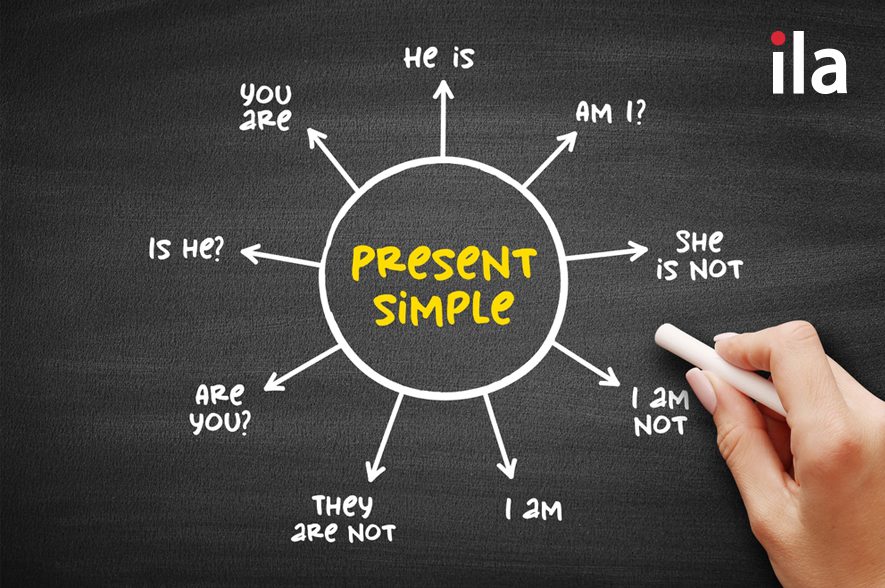
1.1. Thì hiện tại đơn (Simple Present)
Dùng để:
• Diễn tả sự thật, chân lý.
• Thói quen, hành động lặp lại hằng ngày.
Cấu trúc:
Với to be:
• Khẳng định: S + am / is / are
• Phủ định: S + am / is / are + not
• Nghi vấn: Am / Is / Are + S …?
Với động từ thường:
• Khẳng định: S + V / V(s/es – với ngôi thứ 3 số ít)
• Phủ định: S + do / does + not + V
• Nghi vấn: Do / Does + S + V…?
Dấu hiệu nhận biết: usually, always, often, sometimes, never, every day / week / month…
Ví dụ:
• I go to school by bike every day. (Tôi đi học bằng xe đạp mỗi ngày.)
• They don’t play games in the evening. (Họ không chơi trò chơi vào buổi tối.)
• Do you have English on Monday? (Bạn có học môn tiếng Anh vào thứ Hai không?)
1.2. Thì hiện tại tiếp diễn (Present Continuous)
Dùng để: Diễn tả hành động đang xảy ra tại thời điểm nói hoặc xung quanh thời điểm nói.
Cấu trúc:
• Khẳng định: S + am / is / are + V-ing
• Phủ định: S + am / is / are + not + V-ing
• Nghi vấn: Am / Is / Are + S + V-ing…?
Dấu hiệu nhận biết: now, at the moment, at present, right now, look!, listen!
Lưu ý: Không dùng thì này với các động từ trạng thái như: know, like, love, hate, understand, remember…
Ví dụ:
• She is watching TV at the moment. (Lúc này cô ấy đang xem tivi.)
• We aren’t playing soccer now. (Hiện tại chúng tôi không chơi bóng đá.)
• Are they studying English now? (Có phải bây giờ họ đang học tiếng Anh không?)
1.3. Thì tương lai gần (Near future tense)
Dùng để:
• Nói về kế hoạch, dự định trong tương lai.
• Dự đoán có căn cứ dựa vào dấu hiệu hiện tại.
Cấu trúc:
• Khẳng định: S + am / is / are + going to + V
• Phủ định: S + am / is / are + not + going to + V
• Nghi vấn: Am / Is / Are + S + going to + V…?
Dấu hiệu nhận biết: tonight, tomorrow, next week / month / year, in + thời gian gần.
Ví dụ:
• I am going to visit my grandparents tomorrow. (Ngày mai tôi sẽ thăm ông bà.)
• We aren’t going to stay at home tonight. (Tối nay chúng tôi không định ở nhà.)
• Are you going to join the school trip? (Bạn có định tham gia chuyến đi của trường không?)
1.4. Thì quá khứ đơn (Past Simple)
Dùng để: Diễn tả hành động đã xảy ra và kết thúc trong quá khứ.
Dấu hiệu nhận biết: yesterday, last night / week / year…, ago, in + năm quá khứ (in 2022…)
Cấu trúc
a. Với động từ to be
• Khẳng định: S + was / were
• Phủ định: S + was / were + not
• Nghi vấn: Was / Were + S …?
Ví dụ:
• I was at home yesterday.
• They were not happy last night.
b. Với động từ thường
• Khẳng định: S + V2 / V-ed
• Phủ định: S + did not + V
• Nghi vấn: Did + S + V …?
Ví dụ:
• She went to school yesterday.
• We didn’t play football last Sunday.
• Did you watch TV last night?
2. Các phép so sánh trong đề thi tiếng Anh giữa học kì 2 lớp 6
Bên cạnh các thì, học sinh lớp 6 còn học 2 dạng so sánh quan trọng: so sánh hơn và so sánh nhất. Cụ thể như sau:
2.1. So sánh hơn (Comparative)
Dùng để: So sánh hai người hoặc hai sự vật với nhau.
a. Với tính từ / trạng từ ngắn
Cấu trúc: S + V + Adj/Adv + -er + than + …
Ví dụ:
• This book is thinner than that one. (Quyển sách này mỏng hơn quyển kia.)
• Tom runs faster than his friend. (Tom chạy nhanh hơn bạn của mình.)
b. Với tính từ / trạng từ dài
Cấu trúc: S + V + more + Adj/Adv + than + …
Ví dụ:
• Mary is more beautiful than her sister. (Mary xinh đẹp hơn chị gái của mình.)
• My father drives more carefully than me. (Bố tôi lái xe cẩn thận hơn tôi.)
Lưu ý: Có thể thêm much / far trước so sánh để nhấn mạnh. Ví dụ: far taller, much better…
2.2. So sánh nhất (Superlative)
Dùng để: So sánh một người hoặc một sự vật với tất cả những cái còn lại trong nhóm.
a. Với tính từ / trạng từ ngắn
Cấu trúc: S + V + the + Adj/Adv + -est
Ví dụ:
• Nam is the tallest boy in the class. (Nam là bạn nam cao nhất lớp.)
b. Với tính từ / trạng từ dài
Cấu trúc: S + V + the most + Adj/Adv
Ví dụ:
• This is the most interesting film I have seen. (Đây là bộ phim hay nhất mà tôi từng xem.)
>>> Tìm hiểu thêm: Bài tập viết lại câu so sánh: Dễ hiểu, có đáp án chi tiết
3. Giới từ chỉ thời gian và nơi chốn
Học sinh cần nắm một số giới từ chỉ thời gian và nơi chốn thường gặp để đặt câu đúng và làm đề thi tiếng Anh giữa học kì 2 lớp 6 chính xác.
3.1. Giới từ chỉ thời gian (Prepositions of Time)
Dùng để: Chỉ thời điểm hoặc khoảng thời gian xảy ra hành động.
| Giới từ | Cách dùng ngắn gọn | Ví dụ |
| at | thời điểm cụ thể | at 6 o’clock (lúc 6 giờ) |
| on | ngày, thứ | on Monday (vào thứ Hai) |
| in | tháng, năm, buổi | in July (vào tháng 7) |
| before | trước | before class (trước giờ học) |
| after | sau | after school (sau giờ học) |
| from … to | từ … đến | from Monday to Friday (từ thứ Hai đến thứ Sáu) |
| since | từ mốc thời gian | since 2020 (từ năm 2020) |
| until | đến khi | until 9 p.m. (đến 9 giờ tối) |
3.2. Giới từ chỉ nơi chốn (Prepositions of Place)
| Giới từ | Nghĩa | Ví dụ |
| in | trong | in the classroom (trong lớp học) |
| on | trên | on the table (trên bàn) |
| at | tại | at school (ở trường) |
| under | dưới | under the bed (dưới giường) |
| behind | phía sau | behind the house (sau nhà) |
| next to / beside | bên cạnh | next to me (bên cạnh tôi) |
| between | ở giữa | between two houses (giữa hai ngôi nhà) |
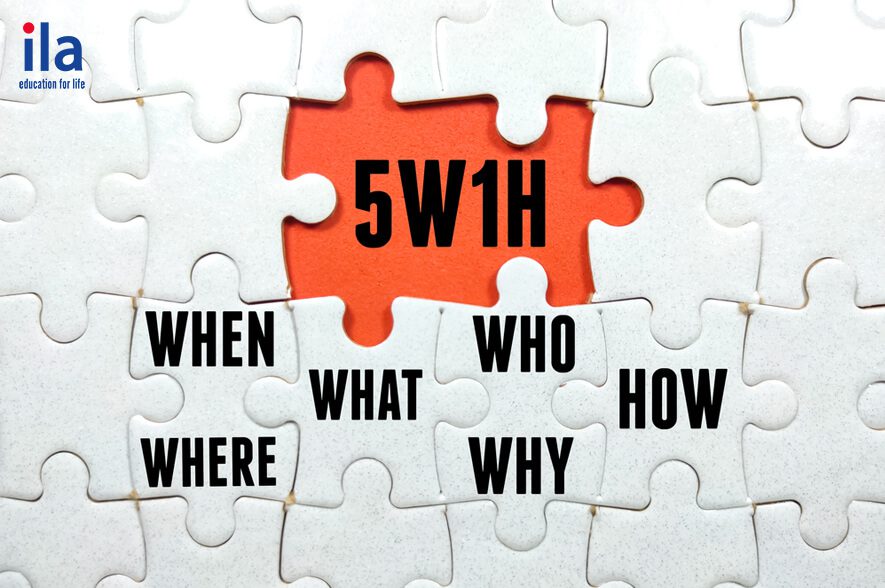
4. Câu hỏi có từ để hỏi (Wh-Questions)
Wh-Questions dùng để hỏi thông tin cụ thể như người, nơi chốn, thời gian, lý do…
| Từ hỏi | Dùng để hỏi |
| What | cái gì |
| When | khi nào |
| Where | ở đâu |
| Who | ai |
| Why | tại sao |
| Whose | của ai |
| Which | lựa chọn |
| How | như thế nào |
Cấu trúc chung: Wh-word + trợ động từ / động từ khuyết thiếu + S + V…?
Ví dụ:
• Where do you live? (Bạn sống ở đâu?)
• When does the class start? (Lớp học bắt đầu khi nào?)
• How many students are there in your class? (Có bao nhiêu học sinh trong lớp bạn?)
5. Yes / No Questions trong đề thi tiếng Anh giữa học kì 2 lớp 6
Yes/No questions là dạng câu hỏi trả lời Yes hoặc No, không dùng từ để hỏi Wh-.
5.1. Với động từ to be
Cấu trúc: Am / Is / Are + S …?
Ví dụ:
• Are you a student? (Bạn có phải là học sinh không?)
→ Yes, I am. / No, I’m not.
5.2. Với động từ thường
Cấu trúc: Do / Does + S + V…?
Ví dụ:
• Do you like English? (Bạn có thích tiếng Anh không?)
→ Yes, I do. / No, I don’t.
6. Đại từ nhân xưng, tính từ sở hữu và đại từ sở hữu
6.1. Đại từ nhân xưng
Đại từ nhân xưng (personal pronoun) dùng để chỉ người hoặc vật trong câu.
| Ngôi | Số ít | Số nhiều |
| Ngôi 1 | I | We |
| Ngôi 2 | You | You |
| Ngôi 3 | He / She / It | They |
6.2. Tính từ sở hữu và đại từ sở hữu
Tính từ sở hữu (possessive adjective) và đại từ sở hữu (possessive pronoun) dùng để chỉ sự sở hữu. Tuy nhiên, chúng khác nhau ở vị trí đứng trong câu và chức năng sử dụng.
• Tính từ sở hữu: Luôn đứng trước danh từ để bổ nghĩa cho danh từ đó.
• Đại từ sở hữu: Đứng độc lập, không cần danh từ theo sau, dùng để tránh lặp lại danh từ đã nhắc trước đó.
| Đại từ nhân xưng | Tính từ sở hữu | Đại từ sở hữu |
| I | my | mine |
| You | your | yours |
| He | his | his |
| She | her | hers |
| It | its | its |
| We | our | ours |
| They | their | theirs |
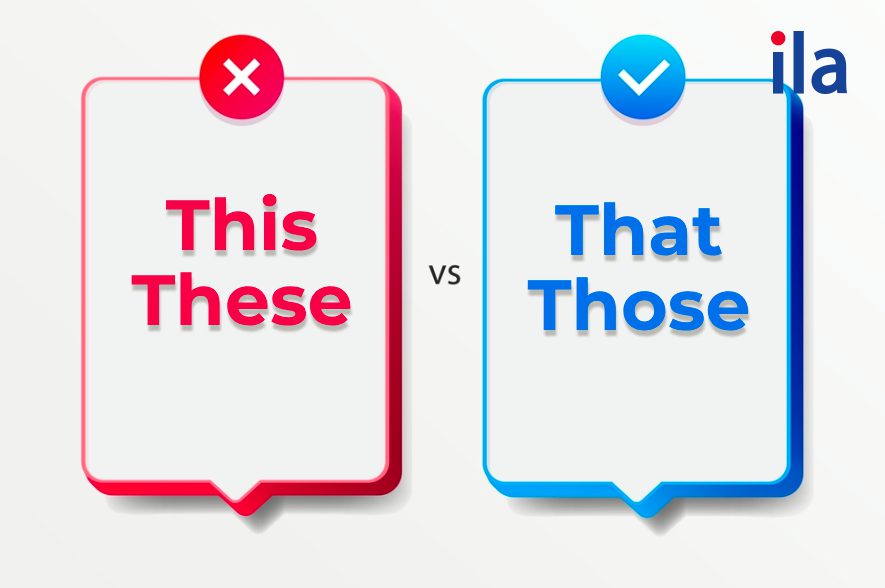
7. Đại từ chỉ định
Đại từ chỉ định (Demonstrative Pronouns) là phần ngữ pháp thường gặp trong đề thi tiếng Anh giữa kì 2 lớp 6 có đáp án, yêu cầu học sinh nắm chắc cách dùng this, that, these, those để làm tốt các dạng bài trắc nghiệm và điền từ.
| Đại từ | Cách dùng |
| this | gần, số ít |
| these | gần, số nhiều |
| that | xa, số ít |
| those | xa, số nhiều |
Ví dụ:
• This is my teacher. (Đây là giáo viên của tôi.)
• Those are my pencils. (Kia là những cây bút chì của tôi.)
8. Cách chuyển danh từ số ít sang số nhiều
Trong ngữ pháp tiếng Anh lớp 6, việc chuyển danh từ số ít sang số nhiều là kiến thức quan trọng thường xuyên xuất hiện trong bài tập và đề thi tiếng Anh giữa học kì 2 lớp 6. Các quy tắc cơ bản cần nhớ:
• Phần lớn danh từ: thêm -s vào sau danh từ.
Ví dụ: cat → cats, book → books, pen → pens.
• Danh từ kết thúc bằng -ch, -sh, -s, -x: thêm -es.
Ví dụ: box → boxes, bus → buses, watch → watches
• Danh từ kết thúc bằng -z: thêm -zes.
Ví dụ: quiz → quizzes
• Danh từ kết thúc bằng phụ âm + y: đổi y thành i rồi thêm -es.
Ví dụ: baby → babies, city → cities.
• Danh từ kết thúc bằng phụ âm + o thường thêm -es (potato → potatoes, tomato → tomatoes), nhưng một số danh từ chỉ thêm -s (photo → photos, piano → pianos).
• Danh từ kết thúc bằng -f hoặc -fe: đổi f/fe thành ves.
Ví dụ: leaf → leaves, knife → knives.
>>> Tìm hiểu thêm: Tổng hợp đề thi tiếng Anh lớp 6 học kỳ 2 mới nhất
Trên đây là tổng hợp các dạng đề thi tiếng Anh giữa học kì 2 lớp 6 thường gặp và kiến thức trọng tâm cần nắm rõ. Học sinh nên hệ thống lại ngữ pháp cơ bản, ghi nhớ cấu trúc quan trọng và luyện tập thường xuyên theo từng dạng bài để nâng cao kỹ năng làm bài, hạn chế mất điểm đáng tiếc và đạt kết quả tốt trong kì kiểm tra.