

Đề thi tiếng Anh lớp 6 học kì 2 có đáp án là công cụ hiệu quả giúp học sinh ôn luyện, kiểm tra kiến thức và chuẩn bị tốt cho các kỳ thi. Bài viết này tổng hợp các bộ đề mới nhất theo chương trình Global Success, Friends Plus, iLearn Smart World và Right On, kèm phần đáp án chi tiết và mẹo luyện thi hiệu quả. Đây là tài liệu hữu ích dành cho học sinh và phụ huynh đang tìm kiếm nguồn ôn tập đáng tin cậy.
Đề thi tiếng Anh lớp 6 học kì 2 có đáp án Global Success
I. Choose the word with a different way of pronunciation in the underlined part.
1.
A. theatre
B. than
C. think
2.
A. contest
B. exercise
C. expensive
3.
A. game
B. gateway
C. racket
4.
A. grow
B. towel
C. found
II. Put the verbs in brackets in the correct form.
1. Refrigerators (be) _________ invented in 1834.
2. Space robots can (help) _________ scientists to explore other planets.
3. If there is no water, plants (die) _________.
4. _________ you (live) _________ on Mars in the future?
III. Choose the best option to complete each sentence.
1. When we go out, my dad always carries the _________ bag of all.
A. heavy
B. heavier
C. heaviest
2. I’m writing _________ poem. _________ poem is about 3Rs.
A. a/ The
B. a/ A
C. an/ The
3. Fansipan Peak is ________ than Son Tra Mountain.
A. more high
B. higher
C. highest
4. When you create new products from used materials, you are _________.
A. recycling
B. reducing
C. reusing
5. My home robot can _________ clothes for me.
A. plant
B. water
C. iron
6. When I have free time, I like to _________ the Internet.
A. go
B. surf
C. play
7. In the future, robots can work as a _________ to keep our house safe.
A. watch
B. guard
C. viewer
8. If you come to Vietnam, don’t forget to try its_________ street food.
A. tasty
B. easy
C. helpful
9. Oh no, these are my pencils. _________ are over there!
A. You
B. Your
C. Yours
10. Kate: How ___________ do you play computer games? – Nick: Two or three times a week.
A. often
B. many
C. long
IV. Read the text about recycling. Circle the best answer A, B or C.
Recycling is beneficial. First, recycling means less trash, so it saves space in landfills. Second, if we use materials again, we can take fewer resources from the Earth. Third, recycling materials produce less pollution, so it helps to keep our environment clean.
So what can you do? Be sure to recycle everything you can at home and school. Always drop your used aluminum cans and plastic bottles in a recycling bin. Remember to put paper items like the newspaper, cereal boxes, and homework pages into the recycling bin, too. Besides, find creative ways to reuse old items before throwing them away.
Here are some fun facts about recycling. Old paper can be recycled around seven times. Glass is one of the best recycling materials. Clear glass can be recycled over and over again. In 2009, the United States recycled around 30% of all its waste and they found ways to recycle around 7 million tons of metals.
1. What is NOT a benefit of recycling?
A. It helps to protect the environment.
B. It saves the Earth’s resources.
C. It makes landfills safer places.
2. What can you drop in the recycling bin?
A. Glass bottles.
B. Paper worksheets.
C. Old cereal.
3. Which is the best recycling material?
A. Metal.
B. Old paper.
C. Glass.
4. What might be the best title for this reading passage?
A. All about recycling
B. Reuse – Reduce – Recycle
C. Advantages and disadvantages of recycling
V. Circle the correct option to complete each blank.
Havana is the capital, and also the largest city (1) ________ Cuba. Havana celebrated (2) _________ 500th birthday in 2019. There are amazing things to see and (3) ________ in this city. For example, you can visit the National Aquarium and the house of Fuster, a well-known artist in Cuba. He decided to turn his house and the entire (4) ________ into a work of art. Don’t forget to have fun with the street performers.
You might even get a free dancing lesson from some local people. Food in Havana is great. Kids might love to try Coppelia Ice Cream and Cuban sandwiches. For adults, don’t miss Mojitos and Bucanero Beer, and of course, coffee. It is delicious and a (5) ________ of daily life here.
1.
A. at
B. of
C. on
2.
A. its
B. his
C. her
3.
A. do
B. go
C. view
4.
A. neighbourhood
B. neighbour
C. area
5.
A. thing
B. piece
C. part
VI. Rearrange the sentences. You cannot change the words.
1. There/ library/many/ the/ books/ are/ in/.
____________________________
2. library/ loudly/ speak/ in/ don’t/ the/ .
____________________________
3. car/ downtown/ An/ yesterday/ ,/ a / and/drove/ it/ rented.
____________________________
4. might/ do/ you / control/ think / robots/ our world/ future/ in/ the/ ?
____________________________
5. one/ largest/ The Mekong River/ of/ the/ the / rivers/ in / is/ world/ .
____________________________
Đề thi tiếng Anh lớp 6 học kì 2 có đáp án:
I.
1. B
2. C
3. C
4. A
II.
1. were
2. help
3. will die
4. Will – live
III.
1. C
2. A
3. B
4. A
5. C
6. B
7. B
8. A
9. C
10. A
IV.
1. C
2. B
3. C
4. A
V.
1. B
2. A
3. A
4. A
5. C
VI.
1. There are many books in the library.
2. Don’t speak loudly in the library.
3. Yesterday, An rented a car and drove it downtown.
4. Do you think robots might control our world in the future?
5. The Mekong River is one of the largest rivers in the world.
>>> Tìm hiểu thêm: Trọn bộ từ vựng tiếng Anh lớp 6 kèm phiên âm
Đề thi tiếng Anh lớp 6 học kì 2 có đáp án Friends Plus
I. Find the word which has a different sound in the part underlined.
1.
A. mine
B. history
C. exercise
D. library
2.
A. cold
B. volleyball
C. telephone
D. open
3.
A. subject
B. club
C. put
D. lunch
II. Find which word doesn’t belong to each group.
1.
A. sofa
B. chair
C. toilet
D. table
2.
A. cooker
B. desk
C. dishwasher
D. fridge
3.
A. bed
B. lamp
C. fan
D. villa
III. Choose the best answer (A, B, C or D).
1. The Eiffel Tower is the most __________ landmark in the world.
A. visit
B. visiting
C. visited
D. to visit
2. When we were in Stockholm, we had coffee and cakes __________ a coffee shop __________ the old town.
A. on – on
B. at – at
C. in – in
D. on – at
3. Do you know the most __________ drink in Vietnam?
A. popular
B. cheap
C. hot
D. best
4. People in Tokyo are very polite __________ friendly.
A. or
B. but
C. so
D. and
5. Have you ever __________ to Manchester?
A. be
B. been
C. being
D. went
6. I think it is a very nice town __________ the weather is good and the people are friendly.
A. because
B. if
C. so
D. although
7. This is the first time that I __________ a 3D film.
A. watch
B. watched
C. watches
D. have watched
8. I __________ Hue four times in all.
A. visit
B. visited
C. visiting
D. have visited
9. The red double-decker bus is London’s famous __________.
A. sign
B. signal
C. symbol
D. logo
IV. Put the verbs in brackets into a suitable tense.
1. My aunt and uncle (visit) __________ Paris last Wednesday.
2. Trung usually (go) __________ to school on foot.
3. Ms.Dung (not take) __________ the bus to work yesterday.
4. I (meet) __________ Hien and Phuong three day ago.
5. They (not open) __________ the shop on Saturdays and Sundays.
V. Read the passage and answer the questions.
Singapore or Singapura is a city as well as a country in South East Asia, is a little red dot located just off the southern tip of Peninsular. Singapura is a Malay word. Singa means Lion and pura means City. That is why Singapore is also known as Lion City.
This Lion City was founded as a British Colony in 1918 and it has been developed into one of the world’s busiest ports today. You may find lots of modern skyscrapers everywhere mixed together with a taste of traditional Chinese, Indian and Malay influenced buildings. Combining great tasting food, fantastic shopping, exciting nightlife, first-class airport and connections to the rest of the world, this Lion City is a great stopover.
According to legend, Singapore was part of the Srivijayan Empire in the 13th century.
Began in 1819, Singapore was founded by Sir Thomas Stamford Raffles and he declare Singapore a free port, with no duties charged on trade. This policy had drawn traders from far and wide and turned her into one of Asia’s busiest ports.
When World War II broke out, Singapore was seen as a formidable British base; with several naval defenses guarding against assault by sea.
However, to their surprise, the Japanese chose to cross Malaya by bicycle instead. Despite all the effort to hold the Japanese, Singapore had surrendered in 1942 with less than a week of fighting. The Japanese occupation lasted for three years and eight months with the return of the British in 1945. After the war, Singapore became a British Colony.
Singapore had joined Malaysia for a short time in 1963 when the British left, but Singapore left Malaysia and became independent on 9 August 1965. Since then, Singapore’s economy boom for the subsequent forty years and become one of the four East Asian Tigers.
1. When was Singapore founded?
A. 1918
B. 1942
C. 1819
D. 1965
2. How many cultures were the Lion City’s buildings influenced by?
A. 1
B. 2
C. 3
D. 4
3. Who ruled Singapore in the 13th century?
A. Srivijayan Empire
B. Chinese
C. Thomas Stamford Raffles
D. Indian
4. Which of the following statements is NOT true?
A. Singapore used to be a formidable British base.
B. In 1819, Sir Thomas Stamford Raffles declared Singapore a free port.
C. When World War II broke out, Singapore was independent.
D. Singapore became independent on 9 August 1965.
5. What is the purpose of this passage?
A. To explain why Singapore is founded.
B. To explain why Singapore’s population is increasing.
C. To present overall information of Singapore.
D. To present the history of Singapore.
VI. Read and fill in the blanks.
Tom: Hi there.
Ben: Hello Tom. Did you enjoy your holiday?
Tom: Yes, It was great. I (1. visit) __________ many interesting places, but I (2. not have) __________ much time to buy souvenirs. I went to the beach and sunbathed on the weekend. How about your trip to England?
Ben: Oh, It (3. not be) __________ so good.
Tom: Really? What did you do there?
Ben: I (4. get) __________ sick, so I stayed in the hotel and (5. watch) __________ a football match.
1.
A. visit
B. was visit
C. visited
D. has visited
2.
A. don’t have
B. didn’t have
C. not had
D. didn’t has
3.
A. wasn’t
B. weren’t
C. am not
D. not was
4.
A. got
B. have got
C. was get
D. to get
5.
A. watched
B. watching
C. to watch
D. has watched
VII. Rewrite the sentence so that it has a similar meaning to the original one.
1. She sang a song.
→ A song _______________________________________ .
2. Somebody hit me.
→ I____________________________________________ .
3. We stopped the bus.
→ The bus ______________________________________ .
4. Max plays the violin. He started three years ago.
→ Max _________________________________________ .
5. I saw Ann yesterday but I haven’t seen her today.
→ I ____________________________________________ .
Đáp án:
I.
1. B
2. B
3. C
II.
1. C
2. B
3. D
III.
1. 90
2. C
3. A
4. D
5. B
6. A
7. D
8. D
9. C
IV.
1. visited
2. goes
3. did not take
4. met
5. don’t open
V.
1. A
2. C
3. A
4. C
5. D
VI.
1. C
2. B
3. A
4. A
5. A
VII.
1. A song was sung by her.
2. I was hit (by someone).
3. The bus was stopped by us.
4. Max has played the violin for three years.
5. I haven’t seen Ann since yesterday.
>>> Tìm hiểu thêm: Ngữ pháp tiếng Anh lớp 6 nào bạn cần nắm vững?
Đề thi tiếng Anh lớp 6 học kì 2 có đáp án iLearn Smart World
I. Find the word whose underlined part differs from the other three in pronunciation.
1.
A. weather
B. brother
C. cathedral
D. although
2.
A. parks
B. computers
C. astronauts
D. maps
II. Choose the word that differs from the other three in the position of the main stress in each of the following questions.
1.
A. machine
B. device
C. printer
D. computer
2.
A. technology
B. internet
C. future
D. special
III. Choose the word/ phrase (A, B, C or D) that best suits the blank in each sentence.
1. In the future, automatic food machines __________ all our food.
A. might make
B. will be
C. have
D. prepares
2. Your parents __________ angry if you __________ playing computer games.
A. are/ won’t stop
B. will be/ don’t stop
C. will be/ won’t stop
D. will be/ stop
3. You __________ eat so many sweets. They aren’t good for you.
A. have to
B. need
C. can
D. shouldn’t
4. __________ is a piece of land with water all around it.
A. An island
B. A bay
C. A waterfall
D. A mountain
5. Student 1: “How might homes change in the future?” – Student 2: “__________”
A. I have to get a robot helper.
B. We might live in smart homes.
C. We can’t use an automatic food machine.
D. We should have smart devices.
6. Student 1: “Should we bring a tent?” – Student 2: “__________”
A. You’re welcome.
B. Yes, me too.
C. Sorry, I don’t understand.
D. Yes, good idea.
7. What __________ life be like if we lived on the moon in the 23rd century?
A. will
B. was
C. do
D. is
8. Everything __________ in space because there’s no gravity.
A. might float
B. floats
C. float
D. floating
9. Don’t forget to bring a __________. It will keep you warm when you sleep at the campsite.
A. flashlight
B. towel
C. sleeping bag
D. battery
10. __________ is special clothing to wear when astronauts work outside in space.
A. Space station
B. Gravity
C. Spaceship
D. Spacesuit
IV. Read the following passage and complete the tasks. Decide whether the statements that follow are True or False.
Hi, Susan.
We’re having a wonderful time in Australia. We arrived in Melbourne last week and stayed there for two days. On the first day, we went to Royal Botanic Gardens. Visiting Botanic Gardens is the best free thing to do in Melbourne. There are more than 8.500 species of plants here.
In the summer, there are also live performances in the Gardens. On the next day, we visited the Royal Exhibition building. It’s one of the oldest places in Melbourne. We arrived in Sydney yesterday morning. The city was so nice in the sunshine. We sat in a café by the river and had lunch. Sydney is more exciting than Melbourne, but it is noisier and more expensive. Melbourne is smaller, but it has a lot of lovely old buildings and great restaurants. That’s why I prefer Melbourne.
Wish you were here.
Jennifer.
1. Jennifer stayed in Melbourne for one day.
2. It costs a lot of money to visit Royal Botanic Gardens.
3. People can enjoy live performances in Botanic Gardens in the summer.
4. Jennifer likes Melbourne more than Sydney.
V. Read the passage, choose the word/ phrase (A, B, C or D) that best suits the blank.
HOW WILL WE LIVE IN THE FUTURE?
Scientists say that in the future, the ways we live, work and play will be very (1) _________ to how they are now. Homes will become (2) _________ because more and more people will live in crowded cities. It will be possible to live under water. People will use more smart technology in their homes. We will do all our shopping on the internet and drones (3) _________ the groceries to our houses. There will be robots (4) _________ all the household chores, so we won’t have to do the washing up or cooking. We might download ideas for furniture and then print it on our 3D printers. We might also take holidays (5) _________ space.
1.
A. difference
B. differently
C. different
D. differences
2.
A. more small and tall
B. smaller and taller
C. the smallest and tallest
D. the most small and tall
3.
A. will deliver
B. might have
C. make
D. will change
4.
A. do
B. to do
C. so it does
D. it do
5.
A. on
B. for
C. with
D. in
VI. Complete the sentences with the correct form of the adjectives in brackets.
1. Mount Everest is __________ mountain in the world. (high)
2. It is __________ in big cities than in small towns. (noisy)
3. I think playing sports is __________ than watching TV. (good)
4. Who’s __________ student in your class? (intelligent)
VII. Rearrange the words to make correct sentences.
1. printer./ things/ can/ cool/ You/ a/ with/ lots/ print/ of/ 3D
____________________________
2. performances./ musical/ to/ go/ to/ people/ watch/ Many/ Sydney Opera House
____________________________
3. everybody/ I think/ easier/ much/ for/ life/ in/ be/ will/ the future.
____________________________
VIII. Make a suitable question for the underlined part in each sentence.
1. You should visit Ha Giang province in February.
→ _________________________
2. I think people will live under the sea in the future.
→ _________________________
3. We can go hiking and rafting there.
→ _________________________
IX. Rewrite the following sentences without changing the meaning.
1. I think Chinese is more difficult than English.
→ I think English _______________.
2. The other people in the team are much younger than Alice.
→ Alice is _____________________.
3. It’s necessary for you to bring bottled water.
→ You ________________________.
Đáp án:
I.
1. C
2. B
II.
1. C
2. A
III.
1. A
2. B
3. D
4. A
5. B
6. D
7. A
8. B
9. C
10. D
IV.
1. False
2. False
3. True
4. True
V.
1. C
2. B
3. A
4. B
5. D
VI.
1. the highest
2. noisier
3. better
4. the most intelligent
VII.
1. You can print lots of cool things with a 3D printer.
2. Many people go to Sydney Opera House to watch musical performances.
3. I think life will be much easier for everybody in the future.
VIII.
1. When should I visit Ha Giang province?
2. Where do you think people will live in the future?
3. What can we do there?
IX.
1. I think English is easier than Chinese. / I think English is not as difficult as Chinese.
2. Alice is the oldest person in the team. / Alice is the oldest member in the team.
3. You need to bring bottled water.
>>> Tìm hiểu thêm: Bài tập sắp xếp từ tiếng Anh thành câu hoàn chỉnh lớp 6
Đề thi tiếng Anh lớp 6 học kì 2 có đáp án Right on
I. Find the word that differs from the other three in the position of primary stress.
1.
A. bargain
B. decide
C. concert
D. plastic
2.
A. entertainment
B. underwater
C. experience
D. exhibition
II. Find the word whose underlined part differs from the other three in pronunciation.
1.
A. promised
B. walked
C. hoped
D. visited
2.
A. stable
B. capsule
C. travel
D. actual
III. Choose the word/ phrase (A, B, C or D) that best suits the blank in each sentence.
1. Honey bees fly by moving their __________ about 230 times every second.
A. eyes
B. beaks
C. wings
D. ears
2. I __________ in a capsule for the first time yesterday.
A. took a ride
B. took a roller coaster
C. went down a ride
D. picked up a ride
3. Animation films are my favourite. I find them very __________ because they always make me laugh.
A. amused
B. amusing
C. boring
D. interested
4. I love watching __________ with my family. We try to answer all the questions and have a family competition.
A. soap operas
B. thrillers
C. cookery shows
D. game shows
5. Sophie loves __________ live performances, so she often visits the concert hall.
A. attending
B. going
C. listening
D. playing
6. You __________ tired tomorrow if you __________ to bed late.
A. are/will go
B. will be/will go
C. are/are going
D. will be/ go
7. Student A: “How was your holiday?” – Student B: “__________”
A. It was rainy.
B. It was amazing.
C. It was last year.
D. We went sightseeing.
8. Student A: “There’s a comedy starting on Channel 4.” – Student B: “__________”
A. It was great.
B. No, I’m not.
C. Let’s watch that!
D. Not really.
9. Ben: Why are you carrying those big bags, mom? – Ben’s mom: __________.
A. I’ll buy a lot of things at the supermarket.
B. I’m going to buy a lot of things at the supermarket.
C. I buy a lot of things at the supermarket.
D. I won’t buy a lot of things at the supermarket.
10. You should see my new classmates! I’m sure you __________ them.
A. like
B. are going to like
C. should like
D. will like
IV. Read the following passage and decide whether the statements that follow are True or False.
PUBLIC TRANSPORT IN LONDON
There are many ways of travelling in London. The London Underground or ‘the Tube’ was the first underground railway system in the world. People first used it in 1863. People called it ‘the Tube’ in 1890. In 1908, they designed the London Underground’s logo – a red circle and a blue rectangle. There are about 11 lines and 270 stations today. The Tube services run from 5a.m. until midnight. London buses – or double-deckers – are typically red and many of them have got two floors. Buses are the cheapest way to travel around the city.
You can also catch a boat – London river buses – at the River Thames and enjoy fantastic views of London along the way. It’s fast and tickets are not expensive at all. People who live in London or tourists can buy an Oyster Card. It’s an electronic ticket you use to travel on any public transport in the city.
1. You can’t use the Tube in the evening.
2. Many London buses are red and blue and have got two floors.
3. It doesn’t cost much money to buy tickets for London river buses.
4. People can use an Oyster Card on any public transport in London.
V. Read the passage, choose the word/ phrase (A, B, C or D) that best suits the blank.
Hi Helen,
I hope you are well. How was your summer holiday? We went on a safari in Kenya and it was fantastic. We arrived in Kenya (1) __________ plane, then we took the bus to Nairobi National Park. We went on a (2) __________ around the park in a Jeep. We were (3) __________ when we saw a family of cheetahs walking in front of our Jeep. We stopped and watched them for about ten minutes. Amazing! Cheetah’s (4) __________ is beautiful with black spots. We also visited the baby elephants in the orphanage. I really loved those animals when I saw them. I think I (5) __________ a vet when I grow up and work with elephants. We returned home (6) __________. It was an unforgettable experience.
See you soon.
Mason
1.
A. on
B. by
C. with
D. in
2.
A. roller coaster
B. ride
C. performance
D. guide tour
3.
A. surprised
B. surprising
C. bored
D. boring
4.
A. mane
B. feather
C. fur
D. trunk
5.
A. will become
B. be
C. am coming
D.am
6.
A. two days after
B. two days ago
C. last two days
D. before two days
VI. Complete the sentences with the correct form of the verbs in brackets.
1. __________ your science homework last night, Kim? (YOU/DO)
2. My sister _________ to New York tomorrow morning at seven o’clock. She bought her flight ticket yesterday. (FLY)
3. In the future, I think people __________ on another planet. (LIVE)
4. There ______ many clowns and acrobats with colourful costumes at the circus last weekend. (BE)
VII. Rearrange the words to make correct sentences.
1. you/ What/ have/ dinner/ last/ did/ for/ night/?
_______________________________________
2. We/ visit/ our/ are/ this/ grandparents/ going/ weekend/ to/.
_______________________________________
VIII. Make a suitable question for the underlined part in each sentence.
1. Virginia Woolf wrote her first book in 1915.
_______________________________________
2. Peter stayed in bed all day yesterday because he was ill.
_______________________________________
3. I saw a robotics exhibition at the new exhibition centre last Saturday.
_______________________________________
IX. Rewrite the following sentences without changing the meaning.
1. If you don’t study harder, you won’t pass the exams.
→ Unless ____________________________________
2. I advise you not to arrive late at the meeting.
→ You ______________________________________
3. It’s possible that our class will visit the National Fine Arts Museum next month.
→ Our class __________________________________
Đáp án:
I.
1. B
2. C
II.
1. D
2. A
III.
1. C
2. A
3. B
4. D
5. A
6. D
7. B
8. C
9. B
10. D
IV.
1. False
2. False
3. True
4. True
V.
1. B
2. D
3. A
4. C
5. A
6. B
VI.
1. Did you do
2. is flying
3. will live
4. were
VII.
1. What did you have for dinner last night?
2. We are going to visit our grandparents this weekend.
VIII.
1. When did Virginia Woolf write her first book?
2. Why did Peter stay in bed all day yesterday?
3. Where did you see a robotics exhibition last Saturday?
IX.
1. Unless you study harder, you won’t pass the exams.
2. You shouldn’t arrive late at the meeting.
3. Our class might visit the National Fine Arts Museum next month.
>>> Tìm hiểu thêm: 101+ bài tập thì tương lai gần lớp 6 có đáp án
Mẹo luyện đề thi tiếng Anh lớp 6 có đáp án hiệu quả
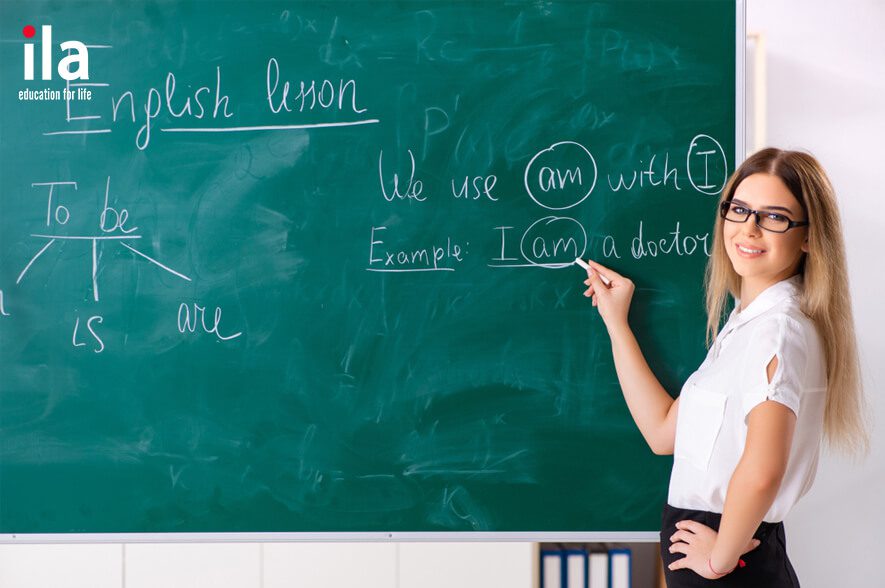
Việc ôn tập đúng cách sẽ giúp con tự tin và đạt kết quả tốt trong kỳ thi. Dưới đây là một số gợi ý nhẹ nhàng, dễ thực hiện mà ba mẹ có thể áp dụng cùng con:
1. Củng cố kiến thức nền tảng
• Ngữ pháp: Ba mẹ hãy giúp con ôn lại những điểm ngữ pháp quan trọng như thì của động từ, câu so sánh, mệnh lệnh, câu điều kiện loại 1… Có thể dùng sách giáo khoa, bài tập hoặc tài liệu tham khảo phù hợp với chương trình lớp 6.
• Từ vựng: Khuyến khích con học từ mới theo từng chủ đề quen thuộc như gia đình, trường lớp, hoạt động hằng ngày… Con có thể ghi chép từ mới, học phát âm và tập đặt câu để ghi nhớ lâu hơn.
• Phát âm: Cho con nghe tiếng Anh mỗi ngày qua các đoạn hội thoại hay video ngắn. Sau đó, cùng con lặp lại để rèn cách phát âm chuẩn.
2. Làm quen với cấu trúc đề thi tiếng Anh lớp 6 có đáp án
• Luyện đề tham khảo: Ba mẹ có thể in cho con một số đề thi mẫu hoặc đề các năm trước từ những nguồn uy tín. Đây là cách để con hiểu rõ dạng bài và cấu trúc đề thường gặp.
• Phân tích bài làm: Sau mỗi lần luyện đề, nên dành thời gian xem lại. Con làm sai chỗ nào, dạng bài nào con còn lúng túng. Từ đó, rút ra bài học để làm tốt hơn lần sau.
3. Rèn luyện từng kỹ năng làm bài
• Nghe hiểu: Con nên luyện nghe qua các đoạn hội thoại đơn giản, truyện ngắn, tin tức thiếu nhi bằng tiếng Anh. Mục tiêu là nghe được ý chính và từ khóa quan trọng.
• Đọc hiểu: Khuyến khích con đọc các đoạn văn ngắn bằng tiếng Anh. Có thể chọn những chủ đề con yêu thích để tăng hứng thú. Sau khi đọc, cùng con tìm ý chính và trả lời các câu hỏi liên quan.
• Nói: Hãy tạo điều kiện cho con được nói tiếng Anh mỗi ngày, dù là những câu đơn giản. Nói trước gương, trò chuyện với ba mẹ, bạn bè hay tham gia câu lạc bộ đều là những cách tốt.
• Viết: Tập cho con viết những đoạn văn ngắn như giới thiệu bản thân, kể một ngày đi học… Dần dần, con sẽ quen với việc viết rõ ràng, đúng ngữ pháp và từ vựng.
4. Một vài mẹo nhỏ khi làm bài thi
• Đọc kỹ đề bài: Dặn con đọc kỹ từng yêu cầu để tránh làm sai đáng tiếc.
• Quản lý thời gian: Hướng dẫn con phân chia thời gian hợp lý cho từng phần, tránh để sót hoặc làm quá vội.
• Kiểm tra lại bài làm: Khi đã hoàn thành, con nên dành ít phút để rà soát lại bài để có thể sửa được những lỗi nhỏ nhưng quan trọng.
Thông qua bài viết này, ILA đã tổng hợp một số bộ đề thi tiếng Anh lớp 6 có đáp án hỗ trợ ba mẹ và con ôn tập cho các kỳ thi tiếng Anh quan trọng. Chúc ba mẹ sẽ có những giờ học tiếng Anh tại nhà cùng con thật hiệu quả nhé!
>>> Tìm hiểu thêm: 100 bài tiếng Anh giao tiếp cơ bản đầy đủ ai cũng học được